 Neto Gregório
Discerners of the Times (Sermon Outline)
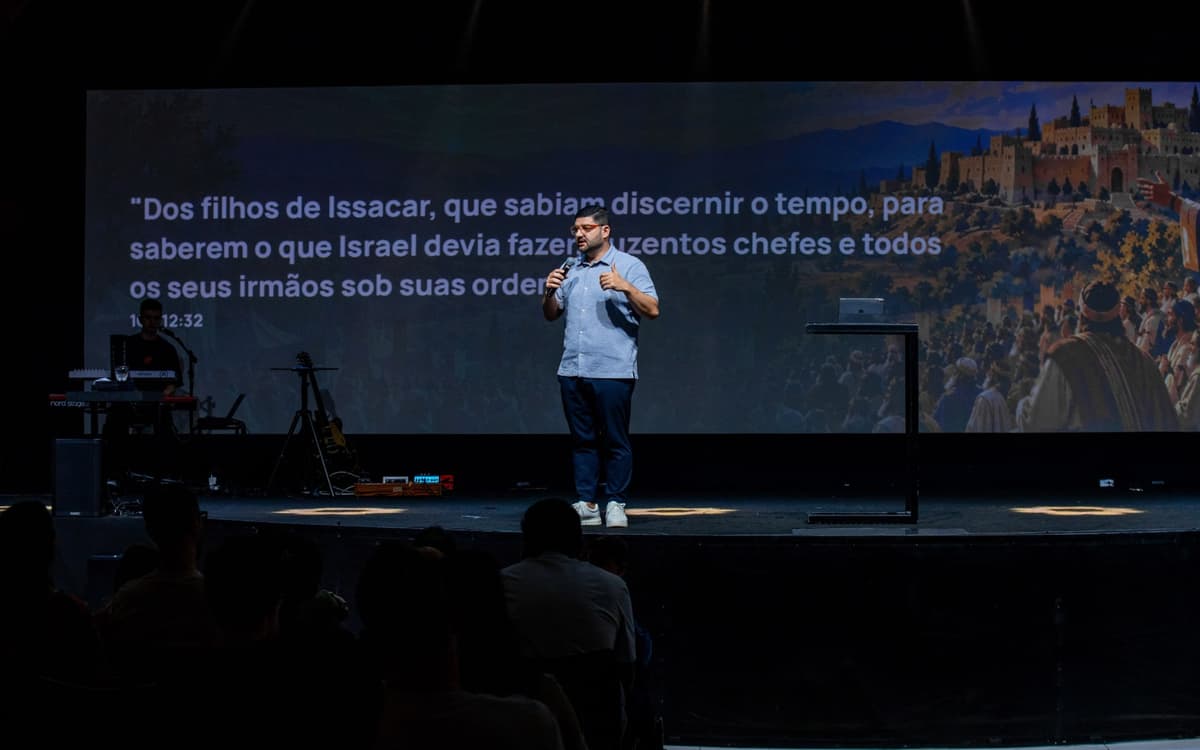
From the sons of Issachar, men who understood the times and knew what Israel should do: two hundred chiefs, and all their kinsmen under their command. 1 Chronicles 12:32
Introduction:
- Saul is dead. Israel stayed divided for seven and a half years.
- The tribes go up to Hebron to hand the kingdom to David.
- Each tribe brings thousands of warriors. Issachar brings two hundred chiefs.
- They saw that Saul's season was over.
- And the whole tribe followed their word.
- Discerning the time and knowing what to do: one without the other is useless.
1 – Whoever discerns the time and does not act is a spectator. Whoever acts without discerning is reckless (1 Chr 12:32).
- Spectator: Israel stared at Goliath for forty days and no one went down (1 Sam 17:16).
- Reckless: Israel went up against the Amorites after the moment had passed and was defeated (Num 14:40-45).
2 – There is a time and a way for everything: the when and the how (Eccl 8:5-6).
- Abigail waited for Nabal to sober up before she spoke (1 Sam 25:36-37).
- Nathan told a parable before saying to David: "You are the man" (2 Sam 12:1-7).
3 – We all live under Chronos, but not all of us seize the Kairos (Acts 1:7).
- Kairos missed: in the season when kings go out to war, David stayed in Jerusalem (2 Sam 11:1).
- False kairos: "This is the day," they told David in the cave. He discerned that it wasn't (1 Sam 24:4-7).
4 – We have eternity in our hearts and a watch on our wrists (Eccl 3:11).
- Paul: "I am torn between the two: I long to depart and be with Christ" (Phil 1:23). And he stayed, because it was necessary (Phil 1:24).
- "While we are in this tent, we groan and are burdened" (2 Cor 5:4).
Bridge: Augustine, Confessions XI: "The present of things past is memory; the present of things present is sight; the present of things future is expectation." When memory turns into guilt and expectation turns into anxiety, there is no sight left for today.
5 – Guilt over the past and anxiety about the future steal the same time: today (Ps 32:3).
- Guilt: "When I kept silent, my bones wasted away" (Ps 32:3).
- Anxiety: "One of these days I will be destroyed by the hand of Saul," and David fled to the Philistines (1 Sam 27:1).
6 – The question is not what will happen, but what we should do (1 Sam 30:8).
- Ziklag burned: "Shall I pursue this raiding party?" (1 Sam 30:8).
- When you hear the sound of marching in the tops of the balsam trees, move out (1 Chr 14:15).
7 – God did not call you to predict tomorrow, but to discern today (Deut 18:14-15).
- Saul sought the medium at Endor to learn about tomorrow (1 Sam 28:7-19).
- David inquired of the LORD before attacking the Philistines at Keilah (1 Sam 23:2-4).
Conclusion:
So do not worry about tomorrow, for tomorrow will worry about itself. Matthew 6:34
- The manna kept for the next day rotted (Ex 16:19-20).
- Tomorrow belongs to God. Today has been handed to you.