 Neto Gregório
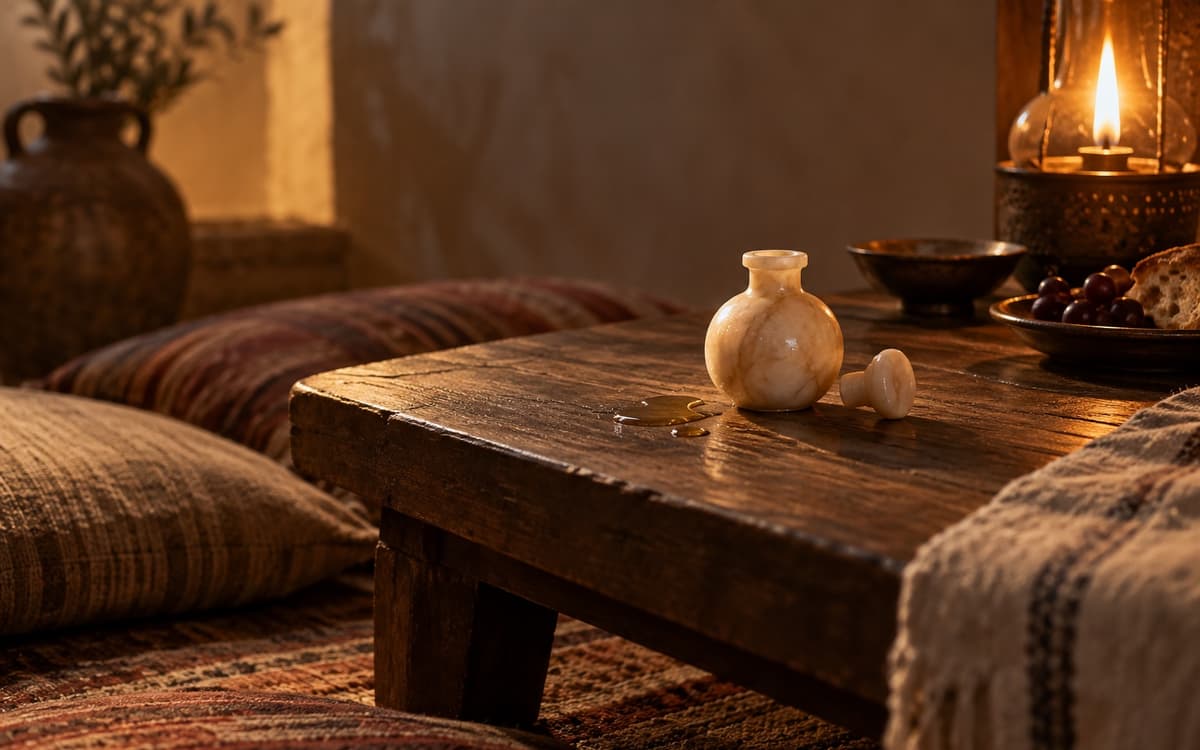
I tell you, her sins (...) have been forgiven, so she has shown me much love. Luke 7:47
Introduction:
- "Grace is love that pays a price" (Warren W. Wiersbe).
- A Pharisee and a sinful woman in the same house. The Pharisee invited; the woman honored (Luke 7:36-38).
1. Gratitude is the evidence of grace. You cannot have what you have not received (Luke 7:47).
- Whoever is forgiven much loves much: "a person who is forgiven little shows only little love" (Luke 7:47).
- Ingratitude is believing you deserve everything you receive.
- Neither debtor could repay. Grace is not a discount; it is a canceled debt (Luke 7:41-42).
2. Honor is the evidence of gratitude. The Pharisee invited, the woman honored (Luke 7:44-46).
- The woman used everything she had to honor Jesus without saying a word: tears, hair, kisses and perfume (Luke 7:38).
- Simon offered no water, no kiss, no oil (Luke 7:44-46).
- "You didn't greet me with a kiss, but from the time I first came in, she has not stopped kissing my feet" (Luke 7:45).
3. The religious man thinks he deserves it; the repentant receives grace (Luke 7:39-50).
- Jesus did not name the woman's sins, but He exposed Simon's proud thoughts (Luke 7:39-40).
- Religious, the Pharisee believed he deserved grace. Repentant, the woman found grace through gratitude.
- "Your faith has saved you; go in peace" (Luke 7:50).
Conclusion:
Your sins are forgiven. Luke 7:48
- I have the heart of the religious man, but the sins of the woman.
- You can only live a life of gratitude when grace is received in your heart.
- Are you more like Simon or like the woman: do you think you deserve it, or do you know you have been forgiven?