 Neto Gregório
How the New Pope Is Chosen: Understanding the Catholic Church Conclave
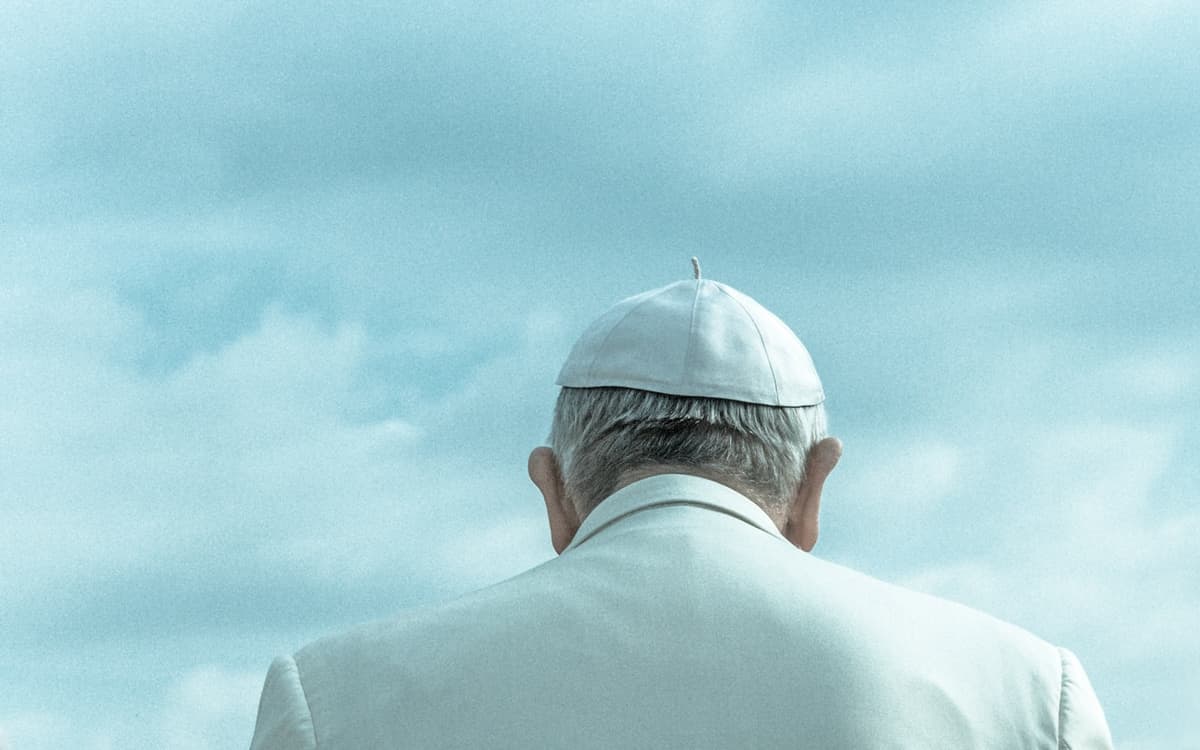
The recent death of Pope Francis places the Catholic Church in a period of transition known as the Sede Vacante. This is the moment when one of the most important events in Catholicism takes place: the Conclave — a centuries-old process full of rituals, traditions, and mystery.
In this article, we explain in detail how the election of the Pope works, highlighting the significance of the Sede Vacante, who the cardinal electors are, how the conclave takes place, what the famous white or black smoke means, and much more.
1\. Sede Vacante: What It Is and How It Begins
Sede Vacante is the period between the death (or resignation) of a Pope and the election of his successor. During this interregnum, the Church is provisionally administered by the College of Cardinals, led by the Cardinal Camerlengo.
Key Steps During the Sede Vacante:
- Official confirmation of the Pope's death or resignation;
- Symbolic destruction of the Fisherman's Ring and the papal seal;
- Organization of the General Congregations, preparatory meetings for the conclave;
- Official mourning period known as the Novemdiales, lasting nine days.
2\. The Cardinal Electors
Only cardinals under 80 years of age have the right to vote in the Conclave. Currently, the official limit is 120 electors.
Who Are the Cardinals?
Leaders of major dioceses or heads of departments (dicasteries) in the Vatican;
From every continent, reflecting the universality of the Church;
They gather in Rome shortly after the Sede Vacante to discuss the needs and challenges of the Church.
3\. The Conclave: Total Isolation and Absolute Secrecy
The word "Conclave" literally means "with a key." It refers to the complete isolation of the cardinal electors in the Sistine Chapel, where the voting takes place.
Key Stages of the Conclave:
- Opening Mass asking for the guidance of the Holy Spirit;
- Solemn entrance of the cardinals into the Sistine Chapel;
- Solemn oath of secrecy and independence;
- Complete isolation from the outside world.
4\. The Voting Process: How the Pope Is Chosen
The cardinals vote secretly, writing the name of their chosen candidate on ballots.
Voting Details:
- Each cardinal casts their vote under solemn oath;
- A two-thirds majority of votes is required to elect the new Pope;
- Up to four scrutinies are held daily;
- After 30 scrutinies without consensus, a pause for reflection occurs, followed by a vote restricted to the two most voted cardinals.
5\. White Smoke or Black Smoke: The Announcement to the World
The smoke rising from the chimney of the Sistine Chapel is the public signal about the outcome of the voting:
- Black smoke: No election has occurred;
- White smoke: A new Pope has been elected.
To avoid confusion, the bells of St. Peter's Basilica also ring when there is a new Pope.
6\. Acceptance and Choice of Papal Name
The elected cardinal must formally accept the election, immediately becoming Pope upon pronouncing the word "Accepto" (I accept).
Choice of Name:
- The new Pope chooses a new papal name, which signals the direction he intends to pursue during his pontificate;
- He then dons the traditional papal vestments in the "Room of Tears."
7\. "Habemus Papam!": The Official Announcement
The official announcement is made by the Cardinal Protodeacon on the central balcony of St. Peter's Basilica with the historic words:
"Annuntio vobis gaudium magnum: Habemus Papam!" (I announce to you a great joy: we have a Pope!).
The new pontiff then appears in public for the first time and gives his initial blessing Urbi et Orbi (to Rome and to the world).
8\. The Rigor of Secrecy and Security
The conclave is strictly protected:
- Total isolation of the electors and the Conclave venue;
- Absolute prohibition of external communication;
- Violations are punished with severe penalties, including excommunication.
9\. Historical Evolution of the Conclave
The papal election has undergone several historical changes:
- Originally chosen by the Roman clergy and people;
- Political influences from monarchies were common until the 20th century;
- The current form, with isolation and secret voting, was consolidated in the 12th century and refined over the centuries to today's norms.
10\. After the Election: The New Pontificate
Immediately after the election, the Pope begins his ministry:
- Selection of key advisors;
- First administrative and spiritual decisions;
- Official celebration of the Mass for the Beginning of the Petrine Ministry, with religious and civil leaders from around the world.
Conclusion: A Unique and Profound Process
The Conclave is far more than an institutional event. It is a profound act of faith, in which the Church's leaders seek, in prayer and discernment, the choice of the one who will guide more than one billion faithful around the world.
The Catholic Church maintains this centuries-old process, reconciling tradition, spirituality, and the demands of the contemporary world.