 Neto Gregório
Just kill me now, Lord! I'd rather be dead than alive if what I predicted will not happen. Jonah 4:3
Introduction:
- What is resentment? Hurt, offense, grudge, anger. Something a person does not want to let go of.
- The resentful person takes the position of the one who was wronged. The blame is always on someone else.
- Resentment is an exemption from responsibility.
1. Jonah's unwillingness. God asks for willingness, and Jonah is willing to go to the end of the world (Jon 1:1-3).
- God sends Jonah to Nineveh, and he "went in the opposite direction to get away from the Lord" (Jon 1:3). Tarshish, in Spain, was the end of the world.
- Jonah ran away afraid of God's mercy, not of His wrath: "That is why I ran away to Tarshish! I knew that you are a merciful and compassionate God" (Jon 4:2).
- Jonah goes down to Joppa, down into the hold, down into the belly of the fish (Jon 1:3-17). And the disobedient sleep too: "Jonah was sound asleep down in the hold" (Jon 1:5).
- "What is your line of work?" (Jon 1:8). Jonah forgot he was God's prophet. The unbelievers prayed; Jonah didn't. He would rather be thrown into the sea than preach to Nineveh (Jon 1:12-14).
2. God's mercy toward Jonah. God doesn't give up on the prophet who gave up (Jon 1:4-2:10).
- God does not tolerate Nineveh's wickedness, and He sends a prophet (Jon 1:2). God does not tolerate Jonah's disobedience, and He sends a storm (Jon 1:4).
- God stops talking to Jonah and starts using nature: the wind, the sea, the fish (Jon 1:4-17).
- Jonah realizes God did not want him dead and, at last, prays from inside the fish (Jon 2:1).
- In his prayer, Jonah says "my salvation comes from the Lord alone" (Jon 2:9). But he did not want salvation for Nineveh.
3. Jonah's (un)successful preaching. The prophet got it right, and he was frustrated for getting it right (Jon 3:3-4:1).
- Nineveh was "a city so large that it took three days to see it all" (Jon 3:3). On the first day, the people heard the message (Jon 3:4-5).
- The people repented of their sin. God "changed his mind and did not carry out the destruction he had threatened" (Jon 3:10).
- Jonah was frustrated by the success of his own prophecy: "This change of plans greatly upset Jonah, and he became very angry" (Jon 4:1).
4. Jonah's resentment. He is angry at God's mercy (Jon 4:1-11).
- Jonah would rather not enter heaven, as long as others don't enter either. That is the spirit of the Pharisee (Matt 23:13).
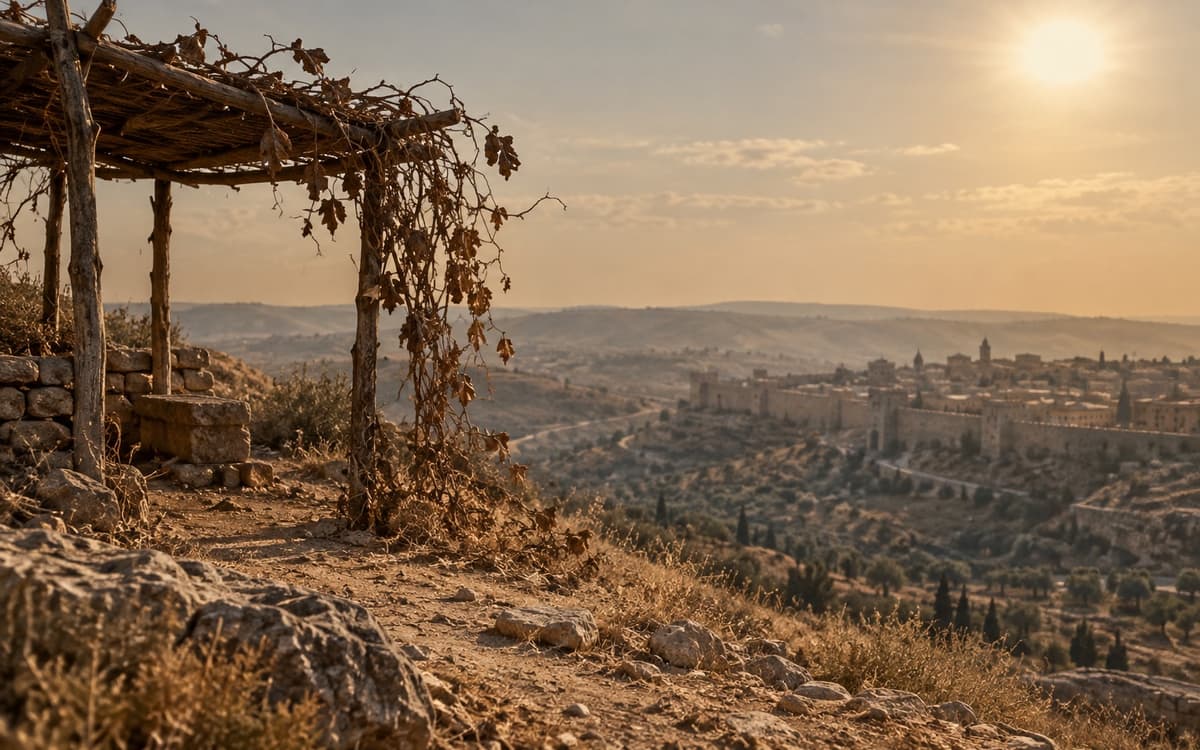
- Even after God turned back, he sits in the shade "as he waited to see what would happen to the city" (Jon 4:5).
- Jonah has compassion for a plant, but not for a people (Jon 4:10-11).
- Jonah believed he was right to be resentful: "Yes, even angry enough to die!" (Jon 4:9).
Conclusion:
Shouldn't I feel sorry for such a great city? Jonah 4:11
- The resentful person feels wronged and blames someone else. God asks you what He asked Jonah: "Is it right for you to be angry about this?" (Jon 4:4).
- The mercy that reached Nineveh is the same mercy that got Jonah out of the fish. Let go of the hurt.
- Is your resentment reasonable?