 Neto Gregório
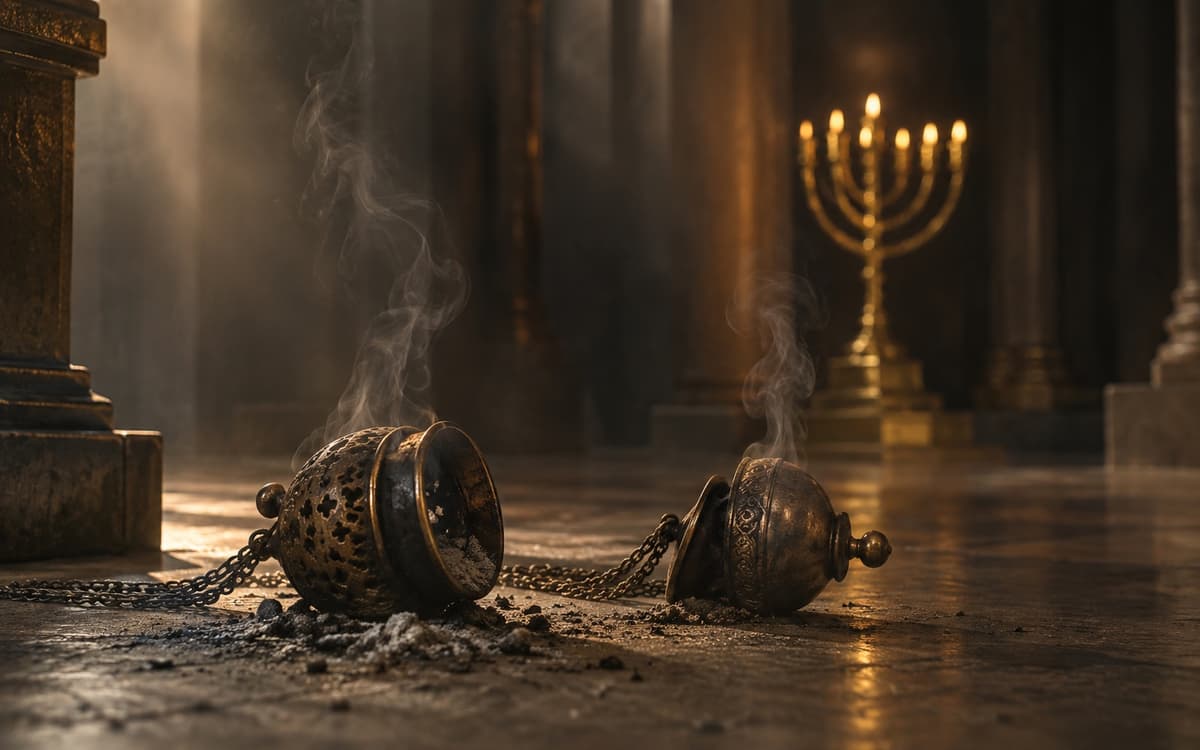
In this way, they disobeyed the Lord by burning before him the wrong kind of fire, different than he had commanded. Leviticus 10:1
Context:
- Nadab means willing; Abihu, God is father. They were Aaron's sons, newly ordained as priests.
- The ordination lasted seven days (Lev 8:33). On the eighth day, the ministry began (Lev 9:1).
- Fire blazed forth from the Lord's presence and consumed the burnt offering, and the people shouted with joy (Lev 9:24). Then came the wrong kind of fire (Lev 10:1-2).
Introduction:
- Machiavellian is the one who believes the end justifies the means.
- Nadab and Abihu got wrong everything there was to get wrong. In God's house, the end does not justify the means.
1. They were the wrong people. Burning incense was the high priest's task (Exod 30:7).
- "Every morning when Aaron maintains the lamps, he must burn fragrant incense on the altar" (Exod 30:7).
- Being willing is no substitute for being called.
2. They used the wrong instruments. Each one took his own (Lev 10:1).
- Nadab and Abihu "put coals of fire in their incense burners" (Lev 10:1).
- God had the Tabernacle and "all its furnishings" anointed "to consecrate them and make them holy" (Exod 40:9). What serves God is consecrated, not brought from home.
3. It was the wrong time. God set the time and the way for the incense (Exod 30:7-8; Lev 16:12-13).
- On the altar, morning and evening (Exod 30:7-8). Behind the curtain, only on the Day of Atonement (Lev 16:12-13).
- "If he follows these instructions, he will not die" (Lev 16:13).
4. They followed the wrong authority. They consulted neither God, nor Aaron, nor Moses.
- They did something "different than he had commanded" (Lev 10:1).
- The idea was theirs. So was the authority.
5. It was the wrong fire, with the wrong motive. The fire was supposed to come from the altar (Lev 16:12).
- The burner was filled "with burning coals from the altar that stands before the Lord" (Lev 16:12).
- Carnal zeal: "Not everyone who calls out to me, 'Lord! Lord!' will enter the Kingdom of Heaven" (Matt 7:21).
- They did not seek God's glory. And God said: "I will display my glory before all the people" (Lev 10:3).
6. Pragmatism. All that matters is: does it work?
- For pragmatism, the value of something is determined by its practical consequences.
- Something should only be accepted as true if it produces immediate results.
- Whether it is true or not, ethical or not, doesn't matter! All that matters is: does it work?
Conclusion:
Since we are receiving a Kingdom that is unshakable, let us be thankful and please God by worshiping him with holy fear and awe. For our God is a devouring fire. Hebrews 12:28-29
- Serve God the right way, even if it doesn't produce results.
- Does the fire you bring to God come from the altar, or did you light it yourself?