 Neto Gregório
Aligning Our Spirituality with Christ
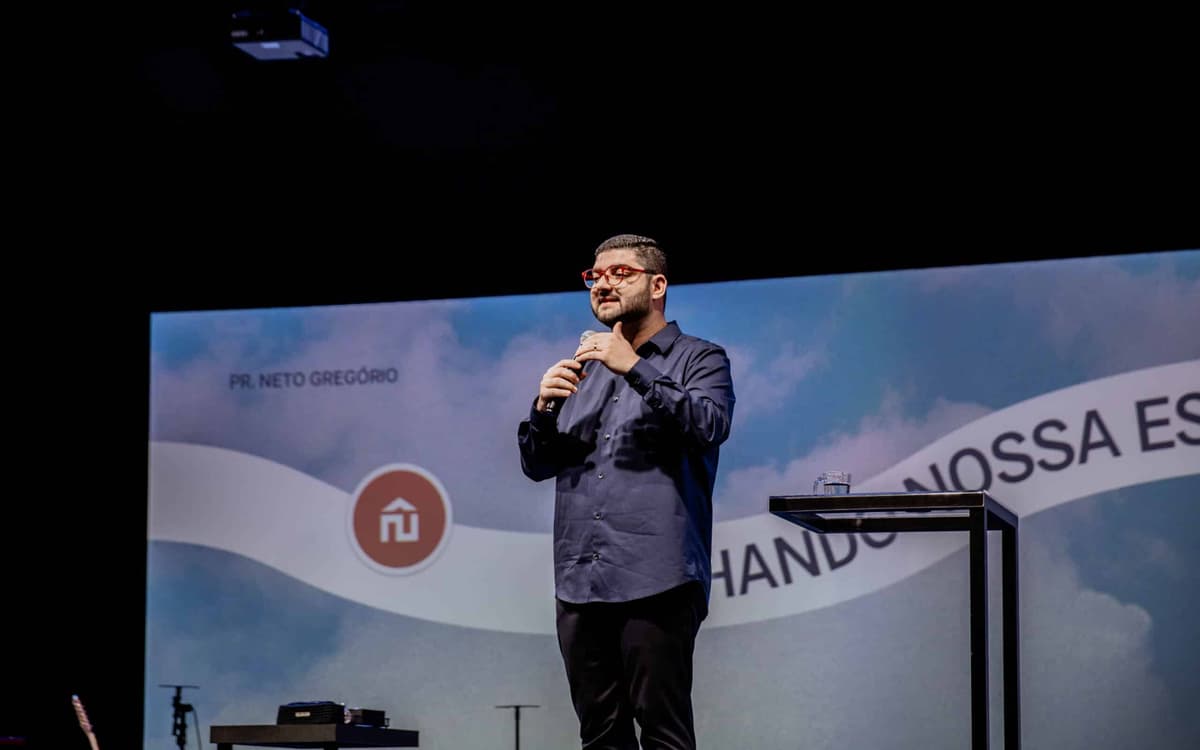
Today I want to minister on aligning our spirituality with Christ. This is an essential second part because it touches on another dimension of our lives — a complement to help us understand more of God.
The foundational text for this message is John 3:1-12:
Now there was a Pharisee named Nicodemus, a leader among the Jews. He came to Jesus at night and said to him: "Rabbi, we know that you are a teacher who has come from God; for no one can do these signs that you do apart from the presence of God." Jesus answered him: "Very truly, I tell you, no one can see the kingdom of God without being born from above."
Jesus meets with Nicodemus, one of the three most important men in the Sanhedrin, the governing council of Israel. The Sanhedrin did not separate religion from the state — the 70 men who composed it governed the people in both spheres. Nicodemus was likely the president of that council, and he recognized that there was something divine about Jesus. Yet instead of understanding him spiritually, his logic and religiosity limited him.
The Difference Between Spirituality and Emotions
In our previous message, we spoke about how Jesus had emotions and did not suppress them, but He was not guided by them. Unlike us, who frequently make decisions based on what we feel, Christ lived in full harmony with the Spirit. So, to align our spirituality with Christ, we need to grasp some foundational truths:
- We are tripartite beings — spirit, soul, and body.
- Our spirit is the deepest part of our being and is where we connect with God.
- Our soul is the seat of our emotions, intellect, and thoughts.
- Our body allows us to experience the world through the senses.
Our spirit is our new nature in Christ. If we have been born again, our spirit is alive and connected to God. However, our old nature — the soul and the body — still carries desires, habits, and fleshly impulses.
The Three Types of People in a Spiritual Perspective
- The Natural Man — One who has not yet been born again and cannot comprehend the things of the Spirit (1 Corinthians 2:14).
- The Carnal Man — One who has been born again but still lives governed by the flesh.
- The Spiritual Man — One who, like Christ, is led by the Holy Spirit and not by his flesh or emotions.
How Do Spirit, Soul, and Body Interact?
- The works of the flesh are produced in the old nature.
- The Holy Spirit dwells in and fills our spirit.
- The fruit of the Spirit is produced within us.
In Galatians 5, Paul draws a contrast between the works of the flesh and the fruit of the Spirit. We often confuse personality traits with the fruit of the Spirit, but they are different things. The fruit of the Spirit is not something natural to the soul — it must be cultivated by the Holy Spirit within us.
The Holy Spirit Is Not Only a Sin Detector
Many people understand the Holy Spirit primarily as the one who points out their sins, but His main role is to guide us into all truth (John 16:13). When we sin, it is the Word dwelling within us that confronts us. The more we fill ourselves with the Word, the less we fall into sin.
What Hinders Our Spirituality?
- Our rationality — We try to explain God logically and end up limiting His work in our lives.
- Our religiosity — We create barriers based on human rules that prevent us from living genuine faith.
- Our carnality — We live to satisfy the desires of the flesh instead of pursuing the things of the Spirit.
- Our uncontrolled emotions — If we do not align our emotions with Christ, they govern us and pull us away from true spirituality.
Conclusion
Jesus teaches us that spiritual life is not about rituals, logic, or runaway emotions. He calls us into a deep relationship with the Father, where the Holy Spirit guides us into all truth. The question is: are we allowing the Holy Spirit to lead us, or are we being limited by our own logic and traditions?
May we choose to live a spirituality aligned with Christ — not guided by emotions, human rules, or rationalizations, but by the Holy Spirit who lives within us.