 Neto Gregório
The Fire of God!
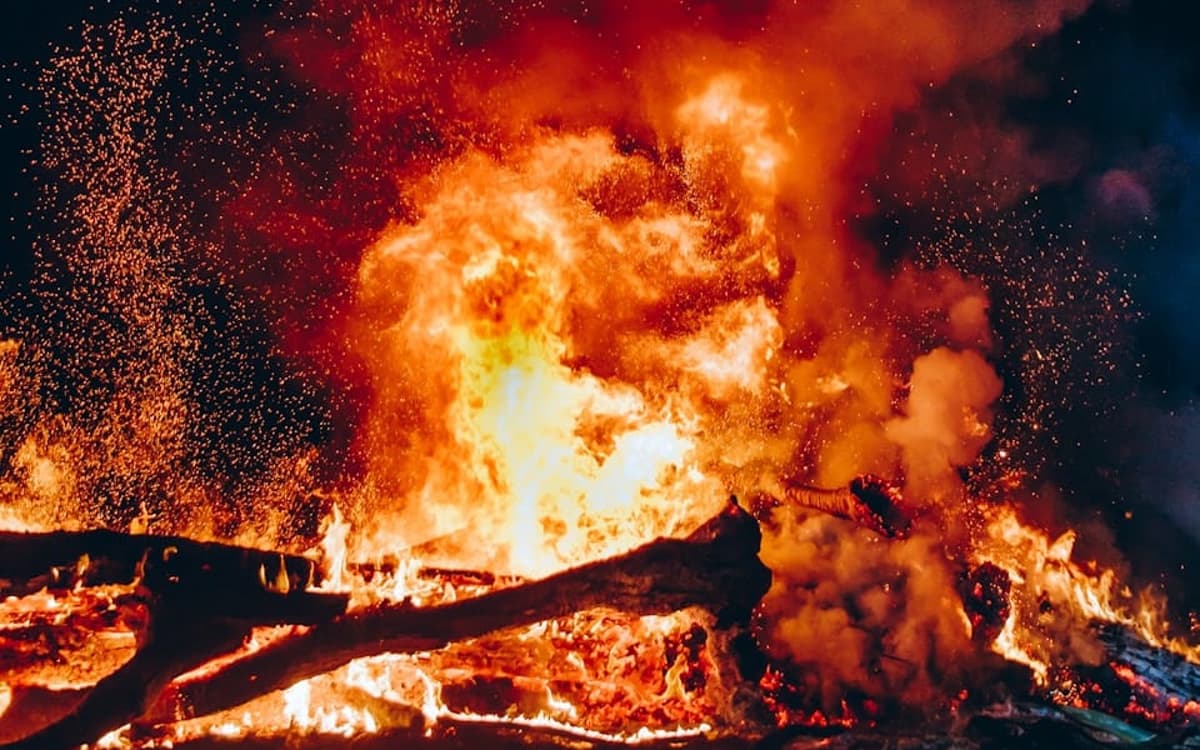
In Leviticus 9:24, we see a defining moment in Israel's history: God sends fire from heaven upon the altar of burnt offering, consuming the sacrifice offered by Aaron and his sons. This fire represented God's acceptance and the manifestation of His glory among the people:
"And fire came out from before the Lord and consumed the burnt offering and the fat portions on the altar. And when all the people saw it, they shouted and fell on their faces." (Leviticus 9:24)
This event established a principle: the fire that comes from God is sacred and must be treated with reverence and awe. It was divine fire, and maintaining it became the priests' responsibility.
The Role of the Priests: Add the Wood, Keep the Fire
Before sending the fire, God had already instructed the priests on how to care for it. In Leviticus 6:12-13, God commanded that the fire must never go out:
"The fire on the altar must be kept burning; it must not go out. Every morning the priest is to add firewood and arrange the burnt offering on the fire and burn the fat of the fellowship offerings on it. The fire must be kept burning on the altar continuously; it must not go out." (Leviticus 6:12-13)
God's work was done: He placed the fire. But now it fell to the priests to feed it daily with wood. This teaches us that while God sends the spiritual fire, it is our responsibility to keep it burning through consecration, prayer, and ceaseless pursuit of His presence.
The Danger of "Strange Fire"
Unfortunately, Nadab and Abihu ignored this command and decided to offer fire in their own way. In Leviticus 10:1-2, we read about the consequence of their disobedience:
"Aaron's sons Nadab and Abihu took their censers, put fire in them and added incense; and they offered unauthorized fire before the Lord, contrary to his command. So fire came out from the presence of the Lord and consumed them, and they died before the Lord." (Leviticus 10:1-2)
The problem was never a lack of fire — it was the wrong source of fire. Nadab and Abihu tried to bring human fire instead of using the divine fire from the altar. This "strange fire" symbolizes human attempts to do God's work without following His principles.
This story warns us of the danger of trying to generate our own spirituality or ministry without truly depending on God's presence and power.
The Fire of God: Judgment and Purification
The Bible teaches us that God is a consuming fire:
"For our God is a consuming fire." (Hebrews 12:29)
This fire represents both judgment and purification. For those who reject God's will, the fire is destructive — as happened to Nadab and Abihu. But for those who surrender to Him, the fire is purifying, like the fire that refines gold (Malachi 3:2-3).
In the New Testament, fire is also associated with the power and revival of the Holy Spirit. John the Baptist prophesied about Jesus:
"He will baptize you with the Holy Spirit and fire." (Matthew 3:11)
The fire of God is not merely a symbol of judgment — it is also a symbol of transformation. It burns away everything that does not come from God and fills us with His presence and power.
Jesus: The One Who Keeps the Fire Alive
Amid the power of fire, we also find the compassion of Jesus. He is not only the One who baptizes with fire — He is also the One who cares for the weak:
"A bruised reed he will not break, and a smoldering wick he will not snuff out, till he has brought justice through to victory." (Matthew 12:20)
If the fire of faith seems weak, He will not quench it — He will revive it. He is also described as the One whose eyes are like blazing fire (Revelation 1:14), showing His omniscience and zeal for His people.
Conclusion
The fire of God was sent upon the altar, and the responsibility of adding wood was given to the priests. The same is true today: God pours out His Spirit, but it is up to us to feed that flame through a life of prayer, worship, and holiness.
May we reject the "strange fire" of human solutions and constantly seek the genuine fire of God, allowing Him to transform and purify us for His glory! 🔥